Insulating your walls is one of the most effective ways to improve comfort, cut energy bills, and reduce heat loss in your home. But with several insulation methods available, it can be hard to know which system is right for your property.
This guide breaks down the four main types of wall insulation—External Wall Insulation, Internal Wall Insulation, Cavity Wall Insulation, and Hybrid Wall Systems—explained simply with bullet points and clear benefits.
1. External Wall Insulation (EWI)
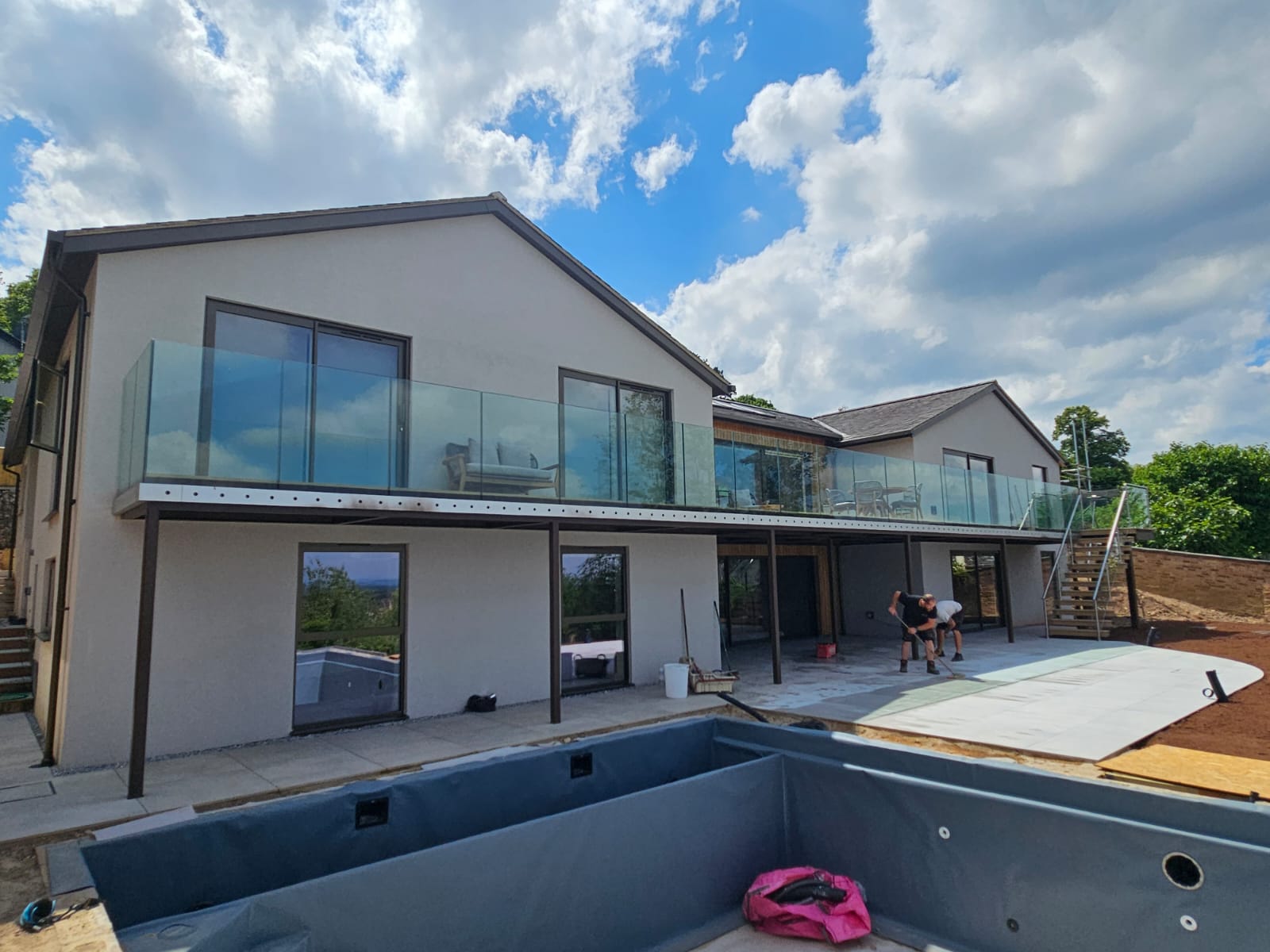
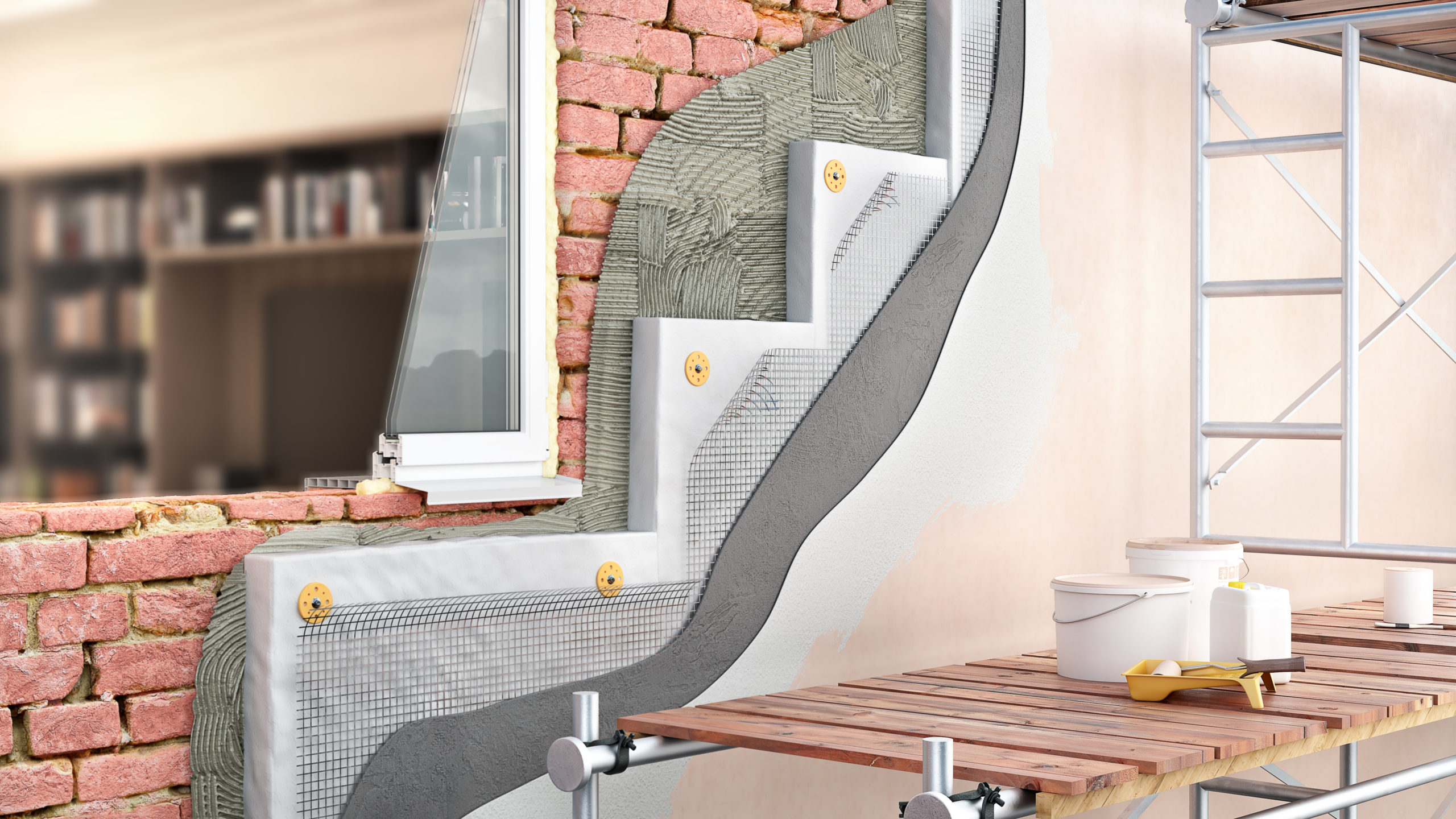
External Wall Insulation involves fixing insulation boards to the outside of your walls and covering them with a reinforced basecoat and decorative render.
Best for:
- Older properties with solid walls
- Homes with poor thermal performance
- Reducing heat loss and improving comfort
- Updating exterior appearance
Benefits:
- Reduces heating bills
- Stops cold bridging and condensation
- Protects the exterior from harsh weather
- Modernises the look of the property
- Doesn’t reduce internal room space
Considerations:
- Higher installation cost
- Changes the external appearance
- Can require extending sills, pipes, or roof edges

2. Internal Wall Insulation (IWI)
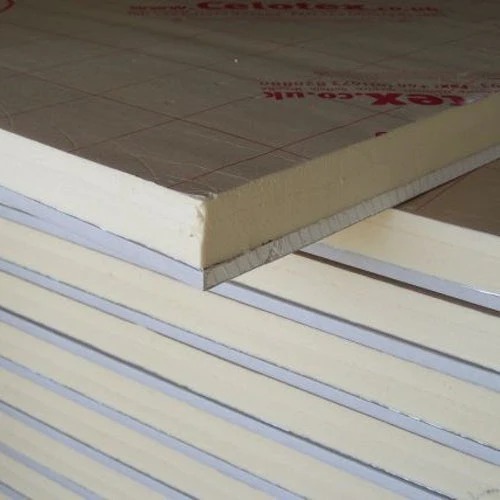
Internal Wall Insulation involves installing insulation on the inside surface of external walls, usually with insulated plasterboard or studwork.
Best for:
- Properties where external changes aren’t allowed (listed buildings, restricted areas)
- Individual rooms needing insulation
- Homes with good exterior finishes you want to keep
Benefits:
- Can be installed room by room
- Leaves exterior appearance unchanged
- Generally cheaper than EWI
- Ideal for targeted insulation upgrades
Considerations:
- Reduces internal room size
- Can cause issues with condensation if poorly installed
- Electricals, radiators, and sockets may need repositioning
- More disruption to daily life during work
3. Cavity Wall Insulation (CWI)
Cavity Wall Insulation fills the gap between the inner and outer leaf of the wall with insulation material such as mineral wool or foam.
Best for:
- Properties built after the 1920s with cavity walls
- Homes with unfilled or partially filled cavities
- Improving energy efficiency with minimal disruption
Benefits:
- Quick installation (usually a few hours)
- Very cost-effective
- No internal disruption or visible external changes
- Helps reduce drafts and heat loss
Considerations:
- Not suitable for all properties (especially those exposed to driving rain)
- Poor installation can lead to damp bridging
- Cannot be used on solid walls
- Hard to remove if problems occur
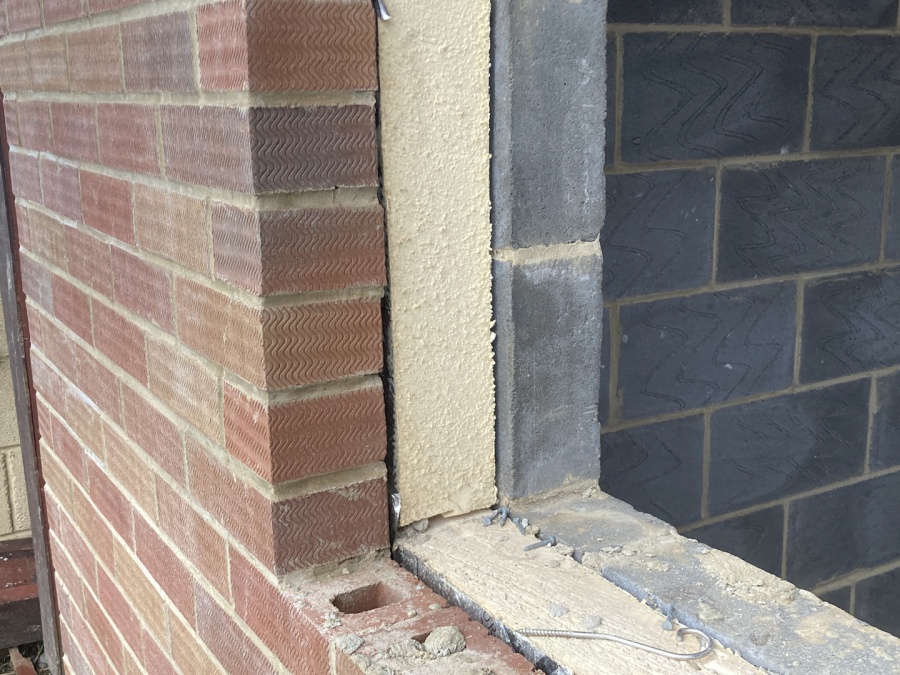
4. Hybrid Wall Insulation Systems
A hybrid system combines two or more insulation methods—for example, EWI + cavity insulation or IWI + partial EWI.
Best for:
- Properties with mixed wall types
- Homes needing improved insulation but restricted externally or internally
- Maximising energy efficiency in challenging structures
Benefits:
- Offers the most comprehensive thermal performance
- Addresses thermal bridging more effectively
- Can be tailored for each wall section
- Great for refurbishments or extensions
Considerations:
- Higher overall cost
- Requires careful design and assessment
- Needs skilled installers familiar with multi-system setups
Summary: Which Insulation System Should You Choose?
Here’s the quick breakdown:
- External Wall Insulation (EWI) – Best for solid walls and achieving big energy savings while improving the exterior appearance.
- Internal Wall Insulation (IWI) – Great when external work isn’t possible or when insulating individual rooms.
- Cavity Wall Insulation (CWI) – Fast, affordable, and ideal for homes with cavity walls.
- Hybrid Systems – The most flexible and effective option for complex properties or mixed wall types.
If you’re unsure which system suits your home, Complete Render South West Ltd can assess your walls, explain the options, and recommend the best approach for maximum efficiency and value.